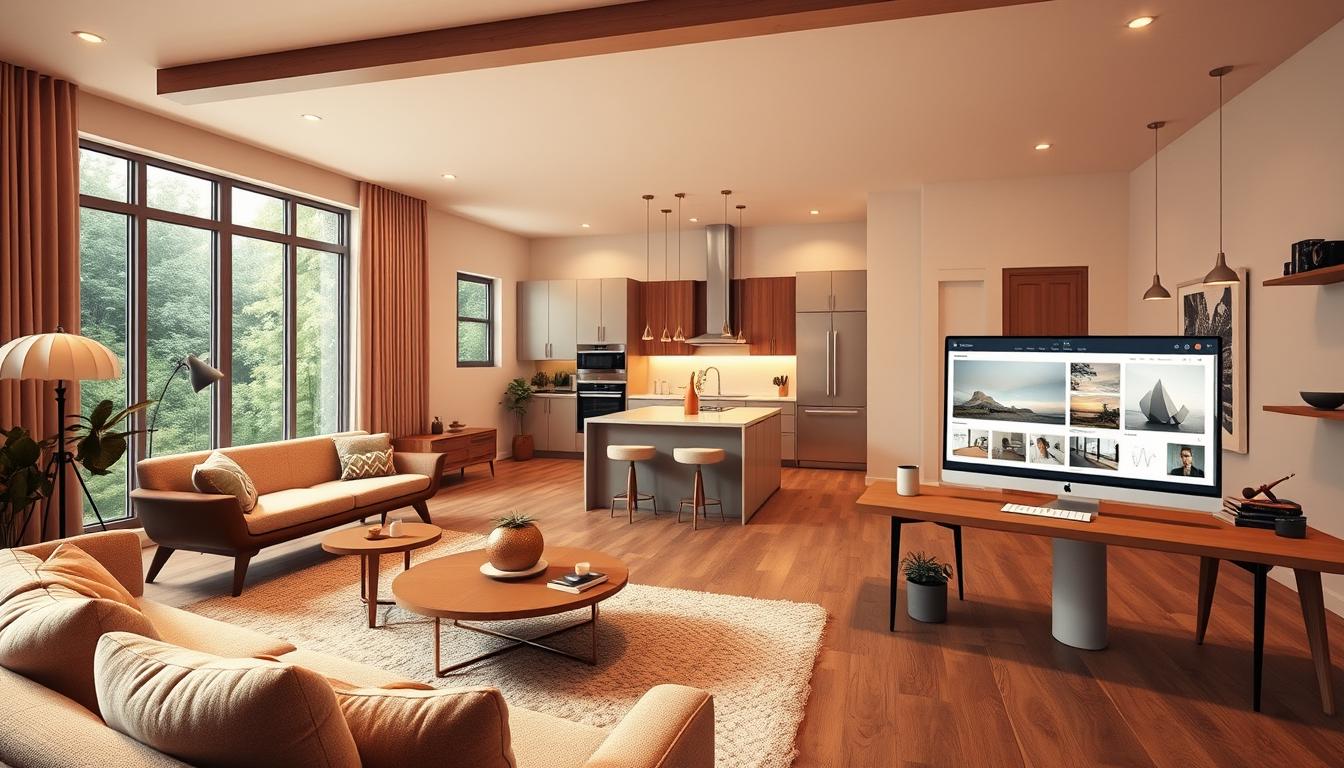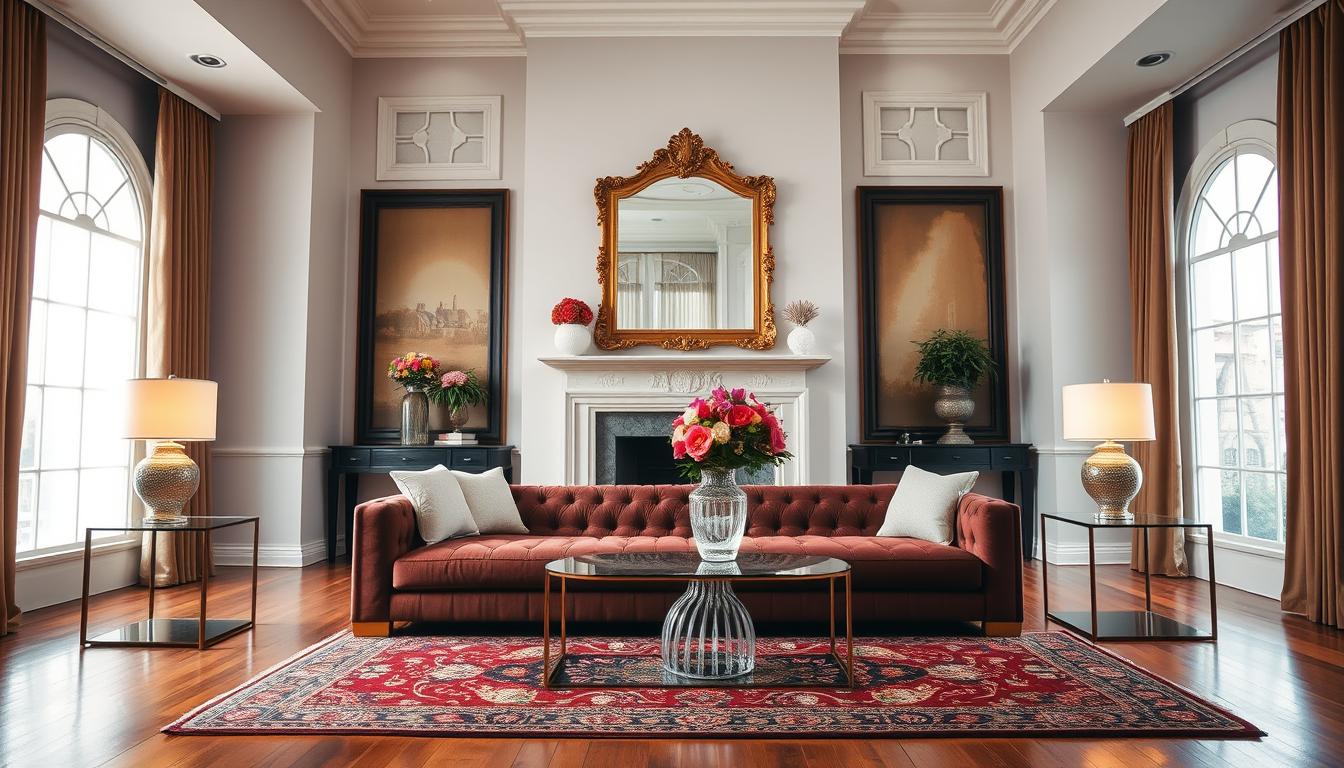

Did you know most Americans spend 90% of their time indoors? The air quality inside can be much worse than outside. This shows how important it is to make our homes healthy with eco-friendly home decor tips. As we learn more about our impact on the planet, sustainable home decor is becoming key in modern living.
By using sustainable design in our homes, we help the planet and feel better. Small steps like using recycled stuff, picking energy-saving lights, and choosing furniture from sustainable sources can really help.
Exploring green interiors and design shows us how to make our homes sustainable and stylish. We’ll see how these eco-friendly steps can turn our homes into green oases.
Key Takeaways
- Eco-friendly home decor is crucial for a healthy indoor environment.
- Sustainable design enhances both environmental and personal well-being.
- Simple changes, like recycled materials and energy-efficient lighting, make a big difference.
- Choosing sustainable furniture is a key aspect of green interiors.
- Transforming your home with eco-friendly practices is easier than you think.
Understanding Green Interiors and Design
Green interiors are changing how we decorate our homes. They focus on being sustainable and caring for the environment. It’s important to know the basics of eco-friendly design and how it makes our homes healthier.
What Are Green Interiors?
Green interiors mean designing homes that are good for the planet. They use materials and methods that don’t harm the environment. This way, we can make homes that are not just pretty but also kind to the Earth.
Importance of Eco-Friendly Design
Eco-friendly design is key today because we all care about the planet. It helps us lower our carbon footprint and work towards a greener future. For more on green interior design, check out this resource.
It also makes our homes healthier by avoiding harmful chemicals found in regular building materials.
Benefits of Sustainable Home Decor
Sustainable home decor has many perks. It’s good for the environment, improves our health, and makes our homes look great. By picking eco-friendly items, we can make our air cleaner, use less energy, and have homes that are both useful and beautiful.
| Benefits | Description |
|---|---|
| Environmental Impact | Reduces waste and pollution, contributing to a more sustainable future. |
| Healthier Living | Minimizes exposure to harmful chemicals, improving indoor air quality. |
| Energy Efficiency | Lowers energy consumption through sustainable materials and practices. |
By choosing sustainable home decor, we make our homes better and help protect the planet for others.
Key Principles of Sustainable Design
The journey to a greener home starts with sustainable design. It focuses on energy efficiency, natural materials, and reducing waste.
By following these principles, we can lessen our environmental impact. We also create beautiful and useful living spaces.
Energy Efficiency
Energy efficiency is key in sustainable design. It means using less energy for the same tasks, cutting down our carbon footprint. Simple steps like using LED lighting or energy-saving appliances help a lot.
Our home’s design also affects energy use. For example, using natural light by placing windows right can cut down on artificial lighting needs.
Use of Natural Materials
Natural materials are a big part of sustainable design. Materials like wood, bamboo, and stone look good and are better for the environment than synthetic ones.
They also improve indoor air quality. This is because they don’t need chemical finishes and treatments.
Waste Reduction Strategies
Reducing waste is crucial for sustainable design. This can be done by recycling, reusing, and cutting down on packaging.
For instance, choosing recycled or sustainably sourced materials during renovations helps. It reduces the need for raw materials.
| Sustainable Design Principle | Benefits | Examples |
|---|---|---|
| Energy Efficiency | Reduces carbon footprint, lowers energy bills | LED lighting, energy-efficient appliances |
| Use of Natural Materials | Enhances indoor air quality, aesthetically pleasing | Wood, bamboo, stone |
| Waste Reduction Strategies | Minimizes waste, conserves resources | Recycling, reusing materials, minimal packaging |
Choosing Eco-Friendly Materials
When we aim to make our homes greener, picking the right materials is key. Our choices affect the planet, our health, and our happiness.
Sustainable Flooring Options
Flooring is a big area where we can make a big difference. Sustainable flooring options come from materials that grow back fast. Think bamboo, cork, and reclaimed wood. These options are good for the planet and make our homes look great.
Bamboo flooring is super green and needs little water and pesticides. Cork flooring is tough and comfy. Reclaimed wood gives old materials a new life, cutting down on waste and keeping history alive.
Non-Toxic Paints and Finishes
Choosing non-toxic paints and finishes is vital for a green home. Regular paints can pollute our air. But, non-toxic paints keep our homes healthier.
Look for paints that say “low-VOC” or “VOC-free.” They release fewer bad chemicals. For finishes, pick water-based or natural oils to avoid harsh stuff.
Recycled and Upcycled Decor
Adding recycled and upcycled decor is a smart way to cut waste and make our homes special. We can turn old pallets into furniture or use recycled glass for decorations.
Upcycling old furniture is good for the planet and makes our homes unique. We can repaint, refinish, or repurpose old pieces. Using recycled decor also helps the environment by reducing the need for new materials.
By carefully choosing our home materials, we can lessen our environmental impact. We create spaces that are not only lovely but also healthy.
Creating a Green Color Palette
In our quest for sustainable homes, a green color palette is key. It boosts both the look and eco-friendliness of our spaces. A well-chosen color scheme can make our homes feel calm and connected to nature.
Earthy Tones and Their Benefits
Earthy tones are essential for a green color palette. Shades like green, brown, beige, and taupe add warmth and coziness. They also cut down on synthetic materials and harsh paints.
Benefits of Earthy Tones:
- Creates a calming atmosphere
- Reduces reliance on synthetic materials
- Promotes a connection to nature
Using Nature as Inspiration
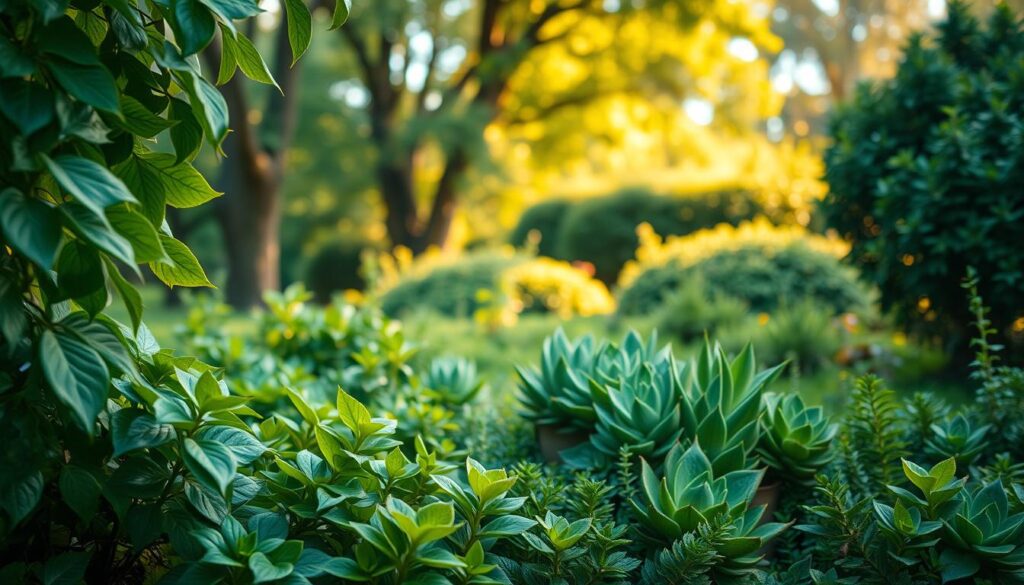
Nature is the best guide for a green color palette. By looking at the natural world, we can make a palette that’s both stunning and sustainable. Think about forest colors, beach tones, or sunset hues for inspiration.
Balancing Colors for a Renewed Space
It’s important to balance colors for a harmonious green palette. Choosing eco-friendly colors is just the start. A balanced palette can make a room feel fresh and lively.
| Color | Nature Inspiration | Design Benefit |
|---|---|---|
| Earthy Green | Forest foliage | Calming and natural |
| Taupe | Rock formations | Grounding and versatile |
| Sage | Desert plants | Soothing and elegant |
By using these elements, we can craft a green color palette. It’s not just beautiful but also supports our eco-friendly goals.
Maximizing Natural Light
Natural light is key in home design. It affects our mood and how much energy we use. By using more natural light, we make our homes more welcoming and eco-friendly.
Benefits of Daylighting
Daylighting brings many benefits. It makes us feel better, cuts down on artificial light, and boosts work performance. Research shows natural light is good for our mental and physical health.
Key Benefits of Daylighting:
- Enhanced mood and well-being
- Reduced energy consumption
- Increased productivity
Window Treatments for Light Control
It’s important to control how much light gets in. Window treatments like curtains, blinds, and shades help with this. They let us adjust the light levels in our homes.
| Window Treatment | Light Control | Energy Efficiency |
|---|---|---|
| Curtains | High | Medium |
| Blinds | High | High |
| Shades | Medium | High |
Placement of Mirrors to Reflect Light
Mirrors are great for using natural light. Placing them opposite windows reflects light, making rooms brighter and larger.
Think about the light’s angle and the mirror’s position for best reflection. This trick can really brighten up a room.
Incorporating Indoor Plants
Indoor plants bring the outdoors into our homes, improving our well-being and decor. They make our homes look better and also clean the air we breathe.
Best Plants for Air Quality
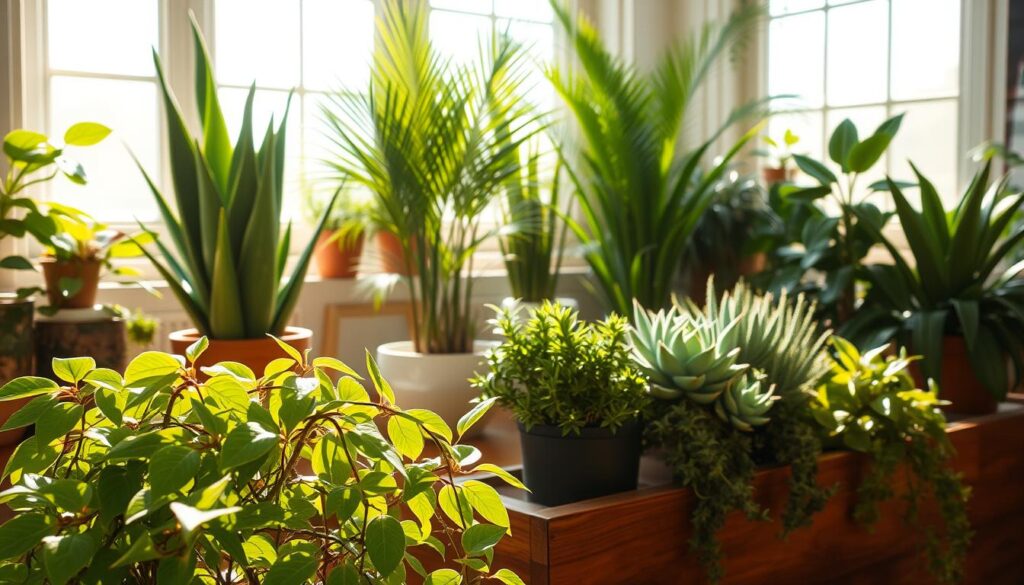
Some plants clean the air better than others. Spider plants, snake plants, and peace lilies are top picks for cleaner air. They remove harmful pollutants, making our homes healthier.
| Plant | Air Purifying Ability | Maintenance Level |
|---|---|---|
| Spider Plant | High | Low |
| Snake Plant | High | Low |
| Peace Lily | High | Medium |
Aesthetic Benefits of Greenery
Indoor plants also make our homes look beautiful. They come in many shapes, sizes, and colors. This lets us pick plants that match our home’s style, from orchids to succulents.
How to Care for Indoor Plants
Indoor plants need the right care. They need the right soil, water, and light. Make sure to water them when needed and give them the right light.
- Water plants according to their needs, avoiding overwatering.
- Provide the appropriate amount of light for each plant.
- Fertilize plants during the growing season to promote healthy growth.
By following these tips and choosing the right plants, we can enjoy their many benefits.
Energy-Efficient Lighting Solutions
Switching to energy-efficient lighting is a simple way to make our homes greener. Lighting affects both the feel and energy use of our homes.
LED vs. Traditional Lighting
LED bulbs are a top pick for energy-saving lighting. They use much less energy and last longer than old bulbs. Here’s why LEDs are great:
- Energy Efficiency: LEDs use up to 90% less energy than old bulbs.
- Longevity: They last up to 25 times longer than incandescent bulbs.
- Durability: LEDs can handle shock, vibration, and extreme temperatures well.
The U.S. Department of Energy says using LEDs could save a lot of energy. It’s like turning off 44 big power plants every year.
Designing with Natural Light
Using more natural light is another smart move. Here’s how to do it:
- Optimize Window Placement: Place windows to catch natural light and cut down on artificial light.
- Use Skylights: Skylights bring in more natural light, even where windows aren’t possible.
- Minimize Obstructions: Keep windows and skylights clear to let natural light in freely.
“The way to get started is to quit talking and begin doing.” – Walt Disney. This quote shows why we should start making our homes more energy-efficient, starting with lighting.
Smart Lighting Systems for Efficiency
Smart lighting systems are a modern way to save energy. They let you control lights from anywhere, set schedules, and save energy. Some benefits are:
- Remote Control: Change light levels and turn them on/off with a smartphone app.
- Automation: Set lights to turn on/off at the right times, saving energy.
- Energy Monitoring: See how much energy you use in real-time, helping you save more.
By using LED bulbs, natural light, and smart systems, we can make our homes greener. We also make them more comfortable and functional.
Sustainable Furniture Choices
As we explore green interiors, choosing sustainable furniture is key. The furniture industry affects the environment a lot. So, picking the right furniture is vital for a green home.
Brands Committed to Sustainability
Many furniture brands now focus on being green. They use materials and methods that harm the environment less. Some top brands include:
- West Elm: They aim to use sustainable materials and cut down on waste.
- Crate & Barrel: They have eco-friendly furniture, like pieces from reclaimed wood.
- Room & Board: They use sustainable materials and support certified forests.
These brands lead in sustainable furniture. They make it easier for us to choose green options.
How to Choose Second-Hand Furniture
Buying second-hand furniture is a smart way to be green. Here’s how to pick good second-hand pieces:
- Inspect thoroughly: Look for damage or wear that might affect the furniture’s life.
- Consider the material: Solid wood and metal are better than composite materials.
- Think about the style: Choose timeless designs that won’t go out of style.
Second-hand furniture reduces waste and gives old materials a new life.
Custom Furniture from Sustainable Sources
Custom furniture from sustainable sources is a unique option. It means working with makers who focus on green materials and methods.
Custom sustainable furniture has many benefits:
- Tailored to your needs: It’s made just for you, so it fits perfectly and lasts longer.
- Sustainable materials: You can choose materials that are good for the planet.
- Quality and durability: It’s made with better materials and care, lasting longer.
Choosing custom sustainable furniture makes your home both beautiful and eco-friendly.
Eco-Conscious Textile Options
Looking for a greener home starts with the right textiles. These materials are key to making our homes more sustainable. They’re not just about looks; they impact our environment too.
Organic Fabrics for Upholstery
Choosing organic fabrics for furniture is good for our health. Organic cotton is grown without harmful chemicals. Hemp and linen are also great choices because they’re durable and eco-friendly.
Think about the fabric’s life cycle when picking upholstery. Go for materials that can be recycled or break down naturally. This reduces waste. Plus, many organic fabrics are stylish and versatile, so you don’t have to sacrifice looks for sustainability.
Sustainable Window Treatments
Window treatments are a big chance to go green. Sustainable window treatments include curtains from natural fibers and blinds from recycled materials. They’re good for the planet and make our homes look better.
Use solar shades or blackout curtains to save energy. They help control sunlight, reducing the need for artificial light and heating or cooling. This cuts down on energy use.
Importance of Eco-Friendly Bedding
Eco-friendly bedding is vital for a healthy sleep space. Bedding from organic materials like cotton or bamboo is comfy and chemical-free. It’s crucial since we spend a lot of time in bed.
Also, eco-friendly bedding breathes better, which means better sleep. Choosing sustainable bedding helps our health and supports a greener textile industry.
Designing Functional Spaces
Creating functional spaces means making areas that do more than one thing. This makes our lives more efficient and fun. As we change how we live, spaces that meet our needs are more important than ever.
Multi-Use Rooms
One smart way to design spaces is to make them multi-use. These areas do more than one thing, making the most of the space we have. For example, a home office that’s also a guest room or a living room that has a dining area.
Using furniture that can change its use is key. A sofa bed turns a living room into a guest room fast. A foldable dining table can be put away when not needed, making room for other activities.
| Room Type | Primary Function | Secondary Function |
|---|---|---|
| Living Room | Relaxation/Entertainment | Home Office/Guest Area |
| Kitchen | Cooking | Dining/Laundry |
| Bedroom | Sleeping | Home Office/Reading Nook |
Encouraging Minimalism
Minimalism is about keeping things simple and removing what’s not needed. It makes our spaces look good and work well.
To follow minimalism, start by getting rid of things you don’t need or use. Use stylish storage to keep things tidy and out of sight. For more ideas on minimalistic design, check out this article on green room decor.
Spaces for Entertaining and Relaxing
Our living spaces should also support fun and rest. Having areas for socializing and personal time is key to a good home.
For fun, think about open-plan areas that encourage hanging out. For rest, create cozy spots or reading areas away from the home’s busy parts. Adding indoor plants or a water feature can also make a space feel more relaxing.
By designing our homes to be multi-functional, simple, and good for both fun and rest, we can really improve our lives.
Maintaining Your Green Home Design
To keep your green home design thriving, regular upkeep is key. This means using eco-friendly products that are gentle on the environment and your home’s ecosystem.
Regular Maintenance with Eco-Friendly Products
Using eco-friendly cleaning products and maintenance materials is crucial. These products reduce environmental impact and make your living space healthier.
Considerations for Sustainable Renovations
When renovating, choose sustainable materials and practices. This includes using recycled, recyclable, or sustainably sourced materials.
Staying Current with Eco Trends
Stay updated on the latest eco trends and green interior trends. This lets you improve and adapt your home design. You can add new sustainable technologies or design principles to your space.
By following these tips, you can keep your green home beautiful and sustainable. It benefits the environment and improves your quality of life.