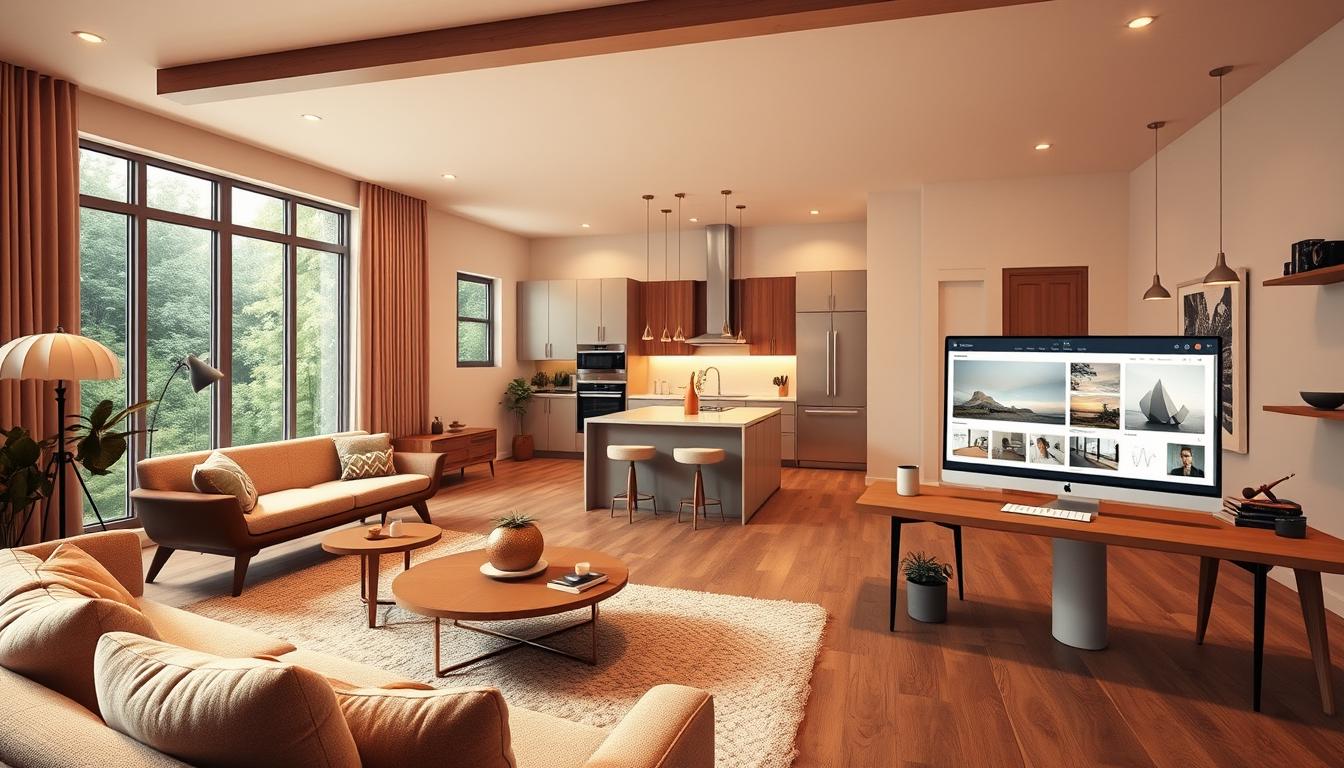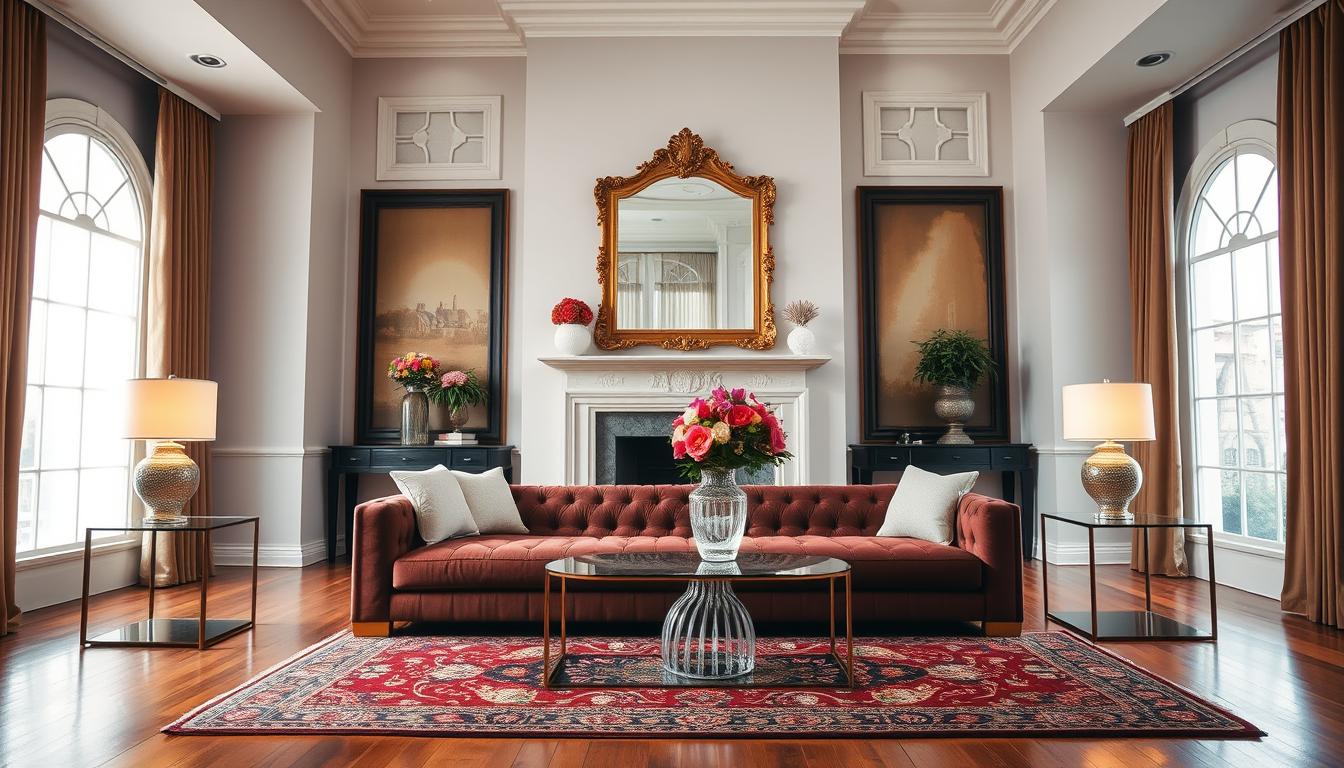

In 2025, sustainable interior design is more than a trend. It’s a must for our homes. Today, we want our spaces to look good and be good for the planet.
Now, eco-friendly home decor is all the rage. We’re using green materials, saving energy with smart lights, and bringing nature inside. This change is because we care about our health and the Earth.
Let’s dive into sustainable interior design. We’ll look at the latest trends and how to make your home better for the planet. You’ll learn about cool materials and lights that save energy.
Key Takeaways
- Eco-friendly materials are becoming increasingly popular in home decor.
- Energy-efficient lighting is a key component of sustainable interior design.
- Biophilic design principles are being used to enhance well-being and connection to nature.
- Sustainable interior design is not just a trend, but a necessary shift towards environmental consciousness.
- Innovative materials and smart lighting solutions are driving the future of eco-friendly home decor.
Understanding Green Design in Interior Design
Green design is key in interior design, focusing on being green and caring for the environment. It’s important to know what green design is and why it matters today.
Definition of Green Design
Green design in interior design means making spaces that look good and are good for the planet. It uses green building materials like reclaimed wood, bamboo, and recycled glass. These materials are durable and add unique textures to our designs.
By choosing these materials, we help the planet and live more responsibly.
Importance in Today’s World
Green design is very important today because we all care about the environment. Environmentally conscious design helps lessen harm to our planet. It also makes spaces healthier by improving air quality and adding nature-inspired interior design elements.
| Benefits | Description | Impact |
|---|---|---|
| Environmental Sustainability | Use of eco-friendly materials and practices | Reduces carbon footprint |
| Healthier Living | Improved indoor air quality | Enhances occupant health |
| Economic Benefits | Energy efficiency and cost savings | Lowers utility bills |
By using green design, we make spaces that are not just pretty and useful but also good for the planet. This way of designing is vital for a healthier Earth and a future that’s sustainable for all.
Benefits of Eco-Friendly Interior Design
Adopting eco-conscious interior styling brings many benefits. It improves our health and helps the environment. This design is good for the planet and our well-being, and it can save us money too.
Healthier Living Environments
Eco-friendly design makes our homes healthier. It uses natural light and plants to reduce stress. This design brings nature into our homes, improving our mental health.
Energy Efficiency and Cost Savings
Eco-friendly design also saves energy and money. It uses efficient appliances and lights, like LED bulbs. This cuts down on utility bills. Plus, eco-friendly materials last longer, saving us from frequent replacements.
Environmental Impact
The environmental benefits of eco-friendly design are huge. It uses sustainable materials and reduces waste. This design promotes recycled products and paints, and materials from sustainable sources. It helps create a greener future.
In summary, eco-friendly design is a win-win. It makes our homes healthier, saves energy and money, and protects the environment. As we go forward, let’s keep using sustainable design in our homes and workplaces.
Key Principles of Green Design
Green design is all about making spaces better for our planet. It’s about creating spaces that are good for us and the environment. This means using materials that are kind to the earth and making our homes more energy-efficient.
Use of Sustainable Materials
Using sustainable materials is a big part of green design. Materials like reclaimed wood, bamboo, rattan, and recycled metals are both stylish and eco-friendly. For example, bamboo is great for flooring because it’s renewable and needs little water and pesticides to grow.
It’s important to think about a material’s whole life cycle. Choosing materials that can be recycled or are sustainably sourced helps a lot. Here are some good options:
- Reclaimed wood for a unique, rustic look
- Bamboo for its renewability and durability
- Rattan for furniture that’s both stylish and eco-friendly
- Recycled metals for a modern, industrial aesthetic
Energy Conservation Techniques
Energy conservation is key in green design. Using energy-efficient lighting like LED bulbs can cut down on energy use. LEDs use less energy and last longer than old bulbs, which means less waste.
Designing spaces to use less energy is also important. For example, using natural light by placing windows right can cut down on the need for artificial light during the day.
Water-Saving Strategies
Water conservation is also vital in green design. Using water-saving strategies like low-flow faucets and toilets can save a lot of water. Also, using rainwater for things like watering plants or flushing toilets can save even more.
Here are some ways to save water:
- Install low-flow fixtures in bathrooms and kitchens.
- Use rainwater harvesting systems for appropriate uses.
- Choose drought-resistant plants for landscaping to reduce water consumption.
By following these green design principles, we can make our homes beautiful, functional, and good for the planet.
Sustainable Materials for Interior Design
Exploring eco-friendly interior design means looking at the materials we use. These materials greatly affect our environment. Choosing wisely is key.
Using reclaimed wood, bamboo, rattan, and recycled metals helps the planet. They’re not only beautiful but also sustainable.
Bamboo and Cork
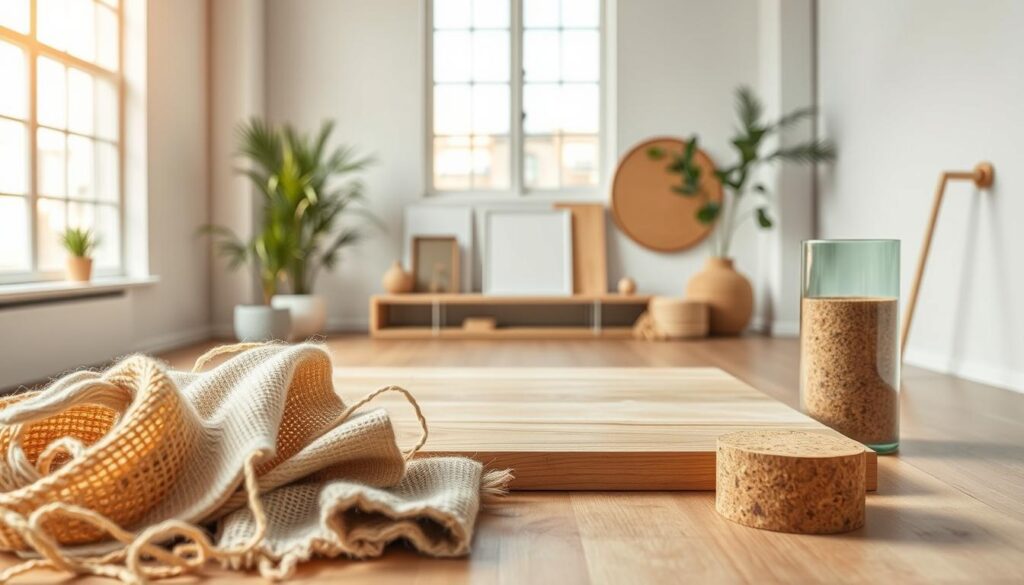
Bamboo and cork are great for the planet. Bamboo grows fast and can be ready in just three to five years. Cork comes from trees without hurting them.
Recycled Products
Choosing recycled products cuts down on waste. For more on eco-friendly materials, check out Azure Magazine. Recycled glass, metal, and plastic make unique decor.
Low-VOC and Non-Toxic Paints
Regular paints can harm our air. Low-VOC and non-toxic paints are better. They keep our air clean without losing color or finish.
| Material | Benefits | Examples |
|---|---|---|
| Bamboo | Highly renewable, durable | Flooring, furniture |
| Cork | Sustainable, comfortable | Flooring, wall coverings |
| Recycled Products | Reduces waste, unique | Decorative elements, furniture |
| Low-VOC Paints | Healthier indoor air quality | Walls, ceilings |
Energy-Efficient Lighting Solutions
In our quest for eco-friendly interior design, energy-efficient lighting is key. It helps reduce environmental impact while adding comfort and style. As we update our homes, choosing sustainable lighting is crucial for both looks and function.
Energy-efficient lighting is not just a trend; it’s essential today. It helps us cut down on energy use, lower bills, and protect our planet. By picking the right lighting, we make a big difference.
LED Lighting Options
LED technology is a top choice for energy-saving lighting. LEDs last a long time and use much less energy than old bulbs. They come in many colors and can be dimmed for different moods.
Benefits of LED Lighting:
- Long lifespan, reducing the need for frequent replacements
- Energy efficiency, leading to lower electricity bills
- Design flexibility, with options for various color temperatures and dimming capabilities
Natural Lighting Techniques
Using natural light is also key to energy-efficient lighting. It lets us use less artificial light, saving energy and making our homes healthier.
Strategies for Maximizing Natural Light:
- Installing skylights or larger windows to increase daylight penetration
- Using reflective surfaces to bounce natural light deeper into rooms
- Implementing smart glass technologies that adjust to sunlight conditions
Let’s look at how different lighting options compare:
| Lighting Type | Energy Consumption | Lifespan | Environmental Impact |
|---|---|---|---|
| Incandescent Bulbs | High | Short | High |
| LED Bulbs | Low | Long | Low |
| Natural Lighting | Zero | N/A | Minimal |
The table shows LED bulbs and natural light are better than old bulbs. They save energy and are better for the planet.
Incorporating Plants in Our Spaces
Exploring eco-friendly interior design, we find plants are key. They make our homes look better and improve our health.
Adding plants to our homes makes them healthier. They clean the air, lower stress, and bring calm. This idea, biophilic design, links nature with our living spaces.
Benefits of Biophilic Design
Biophilic design offers many perks. It improves air quality, boosts mental health, and increases productivity. By bringing nature into our homes, we make them better for our health and looks.
- Improved Air Quality: Plants clean the air by removing pollutants.
- Reduced Stress: Plants help us relax and lower stress.
- Increased Productivity: Plants in workspaces can make us more productive and creative.
Best Indoor Plants for Air Quality
Some plants clean the air better than others. Here are our top picks:
- Snake Plant: It’s easy to care for and grows well in little light.
- Pothos: Simple to care for and great at removing air pollutants.
- Peace Lily: It cleans the air and adds beauty to any room.
By choosing these plants, we make our homes healthier. They support our well-being and connect us to nature.
Designing for Longevity
Creating eco-friendly spaces means thinking about how long they’ll last. We aim to make interiors that look good and work well for a long time.
Understanding the difference between timeless and trendy designs is key. Timeless design focuses on classic styles that stay popular. Trendy designs, on the other hand, follow current trends and may soon go out of style.
Timeless vs. Trendy
Choosing timeless design elements like bespoke furnishings and exceptional craftsmanship helps a space last longer. These pieces add beauty and keep the space useful for years.
Trendy items can make a space look old as trends change. Mixing timeless pieces with trendy ones creates a space that’s both modern and lasting.
Quality Over Quantity
Another important part of lasting design is valuing quality over quantity. Spending more on durable, well-made items may cost more upfront. But, it saves money and waste in the long run.
Choosing sustainable materials and supporting eco-friendly artisans helps create beautiful, sustainable spaces. This approach reduces waste and supports sustainable design.
In summary, designing for longevity involves timeless design, avoiding fast trends, and focusing on quality. These strategies help us make eco-friendly, beautiful interiors that last for years.
The Role of Technology in Green Design
Technology is changing how we design green spaces. It makes them more efficient and easy to use. With smart home tech and energy monitoring, we can cut down our environmental impact.
As we aim for a greener future, tech’s role in design grows. It makes our homes better and helps the planet.
Smart Home Solutions
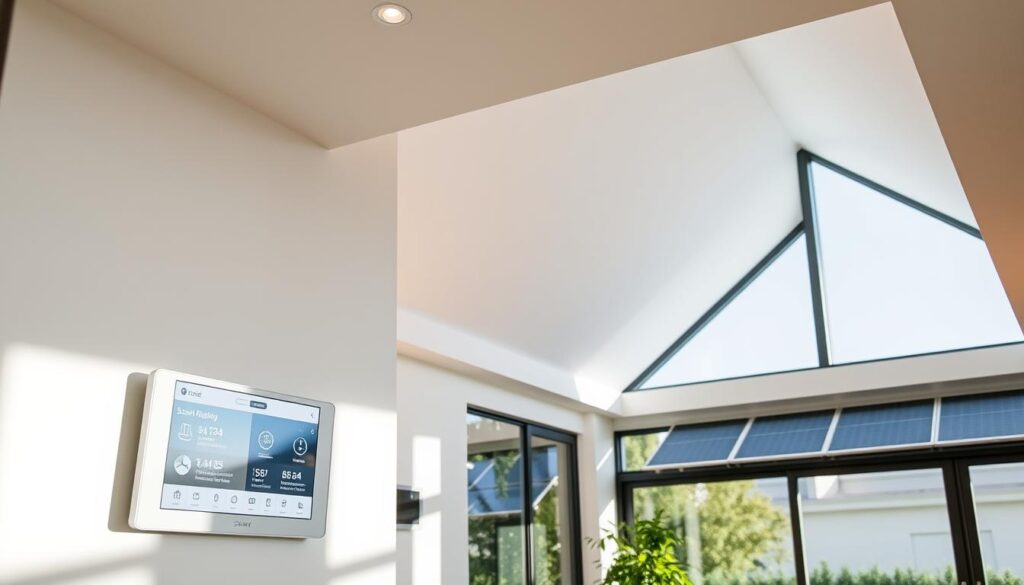
Smart home tech leads in green design. Smart thermostats adjust to our needs, saving energy. Energy-efficient appliances use less power but work just as well. Plus, solar-powered solutions use clean energy, reducing fossil fuel use.
Energy Monitoring Systems
Energy monitoring systems help us track and manage our energy use. They give us real-time data, showing where we can save. This way, we can cut waste and lower bills.
These systems also work with smart home devices to save more energy. For example, they can turn off lights and gadgets when we’re not using them. This helps us live more sustainably.
Tips for Implementing Green Design in Our Homes
We can make a big difference by adding green design to our homes. It makes our spaces look better and helps the planet.
Small Changes for a Big Impact
Starting with small changes is a great way to go green. For example, using energy-efficient lighting cuts down on energy use. LED bulbs use less energy and last longer than old bulbs.
Choosing sustainable materials for our furniture and decor is another easy step. Bamboo and cork are good for the planet and make our homes special. Also, picking low-VOC and non-toxic paints makes our air cleaner and our homes healthier.
- Replace traditional light bulbs with LED bulbs.
- Use sustainable materials for furniture and decor.
- Choose low-VOC and non-toxic paints for your walls.
- Install low-flow showerheads and faucets to save water.
Working with Eco-Friendly Designers
For big changes or a new home, team up with eco-friendly designers. They know how to mix green design with beauty.
These designers pick the best materials and use natural light. They also know about the latest green trends. This helps us make homes that are stylish, useful, and good for the planet.
By choosing wisely and working with experts, we can create homes that are both beautiful and sustainable.
Certifications and Standards in Green Design
Certifications and standards are key in green design. They help us make spaces that are both beautiful and sustainable. Knowing these certifications is important as we aim to improve our living and working areas.
LEED Certification Explained
LEED (Leadership in Energy and Environmental Design) is a well-known green building program. It was created by the U.S. Green Building Council (USGBC). LEED helps design, build, operate, and maintain green buildings.
It focuses on many areas like energy use, water saving, air quality, and resource use. LEED uses a point system to award certifications. Projects earn points for meeting sustainability goals.
There are four LEED levels: Certified, Silver, Gold, and Platinum. Platinum is the highest. Not just new buildings can get LEED; old ones can too through updates and better operations.
LEED certification offers many benefits:
- It makes buildings more energy-efficient and saves money.
- It improves air quality and health inside buildings.
- It increases a building’s value and appeal.
- It helps the environment by being more sustainable.
Other Recognized Standards
LEED is not the only green design standard. Other important ones include:
- WELL Building Standard: It focuses on the health and well-being of people in buildings. It looks at air quality, lighting, and comfort.
- Passive House: This is a strict energy efficiency standard. It aims to reduce energy use through design and building.
- Green Globes: It’s a green building rating system. It checks environmental performance in many areas.
- Living Building Challenge: This goes beyond sustainability. It aims for buildings that are regenerative and good for their surroundings.
These standards guide us towards sustainable design and construction. By following them, we can make sure our spaces are sustainable and meet high environmental standards.
Conclusion: Our Path to Sustainable Living
We’re making our homes beautiful, sustainable, and healthy. This journey is about a better future. By choosing eco-friendly design, we make our homes better and help the planet.
Creating a Greener Tomorrow
We’ve learned about green design and its importance. It’s about using sustainable materials and energy-saving tech. These steps help us live greener and support sustainable living.
Advancing the Conversation
We need to keep talking about green design. Let’s find new ways to live eco-friendly every day. This way, we inspire others and help our community become more green.